Seasonal changes can affect the health of adults and children. Sudden rain, cool mornings, humid afternoons, dust and changing temperatures can make everyday life uncomfortable. Families in Vizianagaram may notice more coughs, colds, fevers and breathing problems during certain seasons.
When the monsoon begins to end and winter approaches, weather conditions change. Damp surroundings, standing water and increased mosquito activity can raise the risk of some illnesses. Dust and other irritants can also worsen allergies and breathing difficulties.
However, not every illness during a weather change is caused by the weather itself. Many infections spread through germs, contaminated food, unsafe water or mosquito bites. Understanding these risks helps families take sensible steps to protect themselves.
This guide explains common seasonal health problems, symptoms to watch for and simple ways to stay healthy. It also explains when home care may be enough and when medical help is needed.
For families looking for reliable healthcare, Queen's NRI Hospital on M.G. Road, Vizianagaram, provides medical services for adults and children.
What Happens to Our Body When the Weather Changes?
Our bodies constantly adjust to changes in temperature, humidity and sunlight. Most people manage these changes without difficulty. However, some people may experience symptoms or become more vulnerable to certain illnesses.
Changes in Immunity and Germs
Our immune system protects us from infections. Weather changes do not automatically weaken immunity, but seasonal conditions can affect how illnesses spread. People may spend more time in crowded indoor spaces, increasing contact with infected individuals.
Viruses that cause colds and flu can spread through tiny droplets released when an infected person coughs, sneezes or talks. Touching contaminated surfaces and then touching the face may also spread some infections.
Humidity, Dry Air and Dust
Humid weather can encourage mould growth in damp rooms. Dust, smoke, pollen and strong smells may irritate the nose and airways. Cooler, drier air can trigger coughing or breathing difficulties in people with asthma.
Mosquitoes and Unsafe Water
Rain can leave water collected in containers, tyres and drains. These places may become mosquito breeding sites. Dengue and malaria are important mosquito-borne illnesses to prevent.
Flooding or poor sanitation may also contaminate drinking water and food. This can increase the risk of diarrhoea and other stomach infections.
Common Seasonal Health Problems in Adults
Adults may continue working, travelling or caring for their families even when they feel unwell. Recognising symptoms early can help them rest, avoid spreading infections and seek medical advice when necessary.
1. Viral Fever
Viral infections may cause fever, body aches, headache, tiredness and reduced appetite. Some people also experience chills or a sore throat.
Symptoms can overlap with dengue, malaria and other infections. Do not assume every fever is harmless or caused by changing weather. A doctor can assess the symptoms and decide whether tests are needed.
For persistent fever, weakness or worsening symptoms, consult a general medicine specialist in Vizianagaram for proper assessment and advice.
2. Cold, Cough and Seasonal Flu
A common cold may cause a runny nose, sneezing, a blocked nose, mild cough and throat irritation. Seasonal flu can cause fever, body aches, headache, cough and marked tiredness.
Flu symptoms may begin suddenly and feel stronger than those of a common cold. Older adults and people with long-term health conditions may develop complications.
Rest, clean fluids and good hygiene can help manage mild symptoms. Seek medical advice if symptoms worsen, fever continues or breathing becomes difficult.
3. Asthma and Breathing Trouble
Dust, smoke, mould and cold air can trigger asthma symptoms. People may experience wheezing, chest tightness, coughing or shortness of breath. Symptoms may become worse at night or early in the morning.
Avoid smoke, reduce dust indoors and follow your prescribed asthma care plan. Do not stop regular treatment without medical advice.
People with repeated breathing problems can consult the hospital's Pulmonology department for assessment and ongoing care.
4. Joint Pain and Stiffness
Some people notice more joint discomfort during cold or damp weather. Their knees, fingers, shoulders or back may feel stiff, especially after waking up.
Weather alone does not explain every episode of joint pain. Arthritis, injuries and other health conditions may also contribute.
Gentle movement, comfortable clothing and regular physical activity may help. Consult a doctor if pain persists, limits daily activities or comes with swelling, redness or fever.
5. High Blood Pressure and Heart Problems
Cold weather can narrow blood vessels and increase blood pressure in some people. People with heart disease need to take extra care during colder periods.
Continue prescribed medicines and monitor blood pressure as advised. Avoid sudden, strenuous activity in very cold conditions, especially if you have an existing heart condition.
Chest pain, fainting, severe breathlessness or sudden weakness requires urgent medical assessment. Do not dismiss these symptoms as ordinary winter discomfort.
6. Dengue and Malaria
Mosquito bites can spread dengue and malaria. Symptoms may include fever, headache, body aches, chills and weakness. Dengue may also cause pain behind the eyes, nausea or a rash.
Remove standing water around your home and use suitable mosquito protection. Do not take medicines without professional advice when dengue is suspected, as some medicines can increase bleeding risk.
Seek medical assessment for fever after mosquito exposure, especially if symptoms worsen.
7. Typhoid and Stomach Infections
Unsafe water and contaminated food can spread infections such as typhoid and cause diarrhoea or vomiting. Symptoms may include fever, stomach pain, loose stools, nausea and weakness.
Drink safe water, wash hands before eating and choose freshly prepared food. Wash fruits and vegetables properly.
Persistent fever, blood in stools, severe stomach pain or signs of dehydration need medical attention. Avoid preparing food for others while experiencing vomiting or diarrhoea.
8. Dry Skin and Allergies
Cool air, frequent bathing with hot water and harsh soaps can make skin dry and itchy. Some people develop redness, flaky patches or worsening eczema.
Dust and pollen may cause sneezing, itchy eyes and a runny nose. Use a gentle moisturiser, avoid known triggers and keep indoor spaces clean.
Seek medical advice for severe itching, spreading rashes, facial swelling or symptoms that do not improve.
Common Seasonal Health Problems in Children
Children may catch infections at school, during play or through close contact with family members. Their symptoms can change quickly, so parents should watch their behaviour, drinking habits and breathing.
1. Cold and Cough in Children
Children may develop sneezing, a runny nose, nasal blockage and coughing during seasonal changes. These symptoms often follow exposure to common respiratory viruses.
Encourage rest, offer suitable fluids and teach children to cover coughs and sneezes. Avoid sending a feverish child to school.
2. Sore Throat and Ear Infection
A sore throat may cause pain while swallowing, reduced appetite or a scratchy feeling. Ear infections can cause ear pain, fever, irritability or difficulty sleeping.
Young children may pull their ears or cry more than usual. Do not put oil or other home remedies inside a painful ear.
A doctor should examine children with severe ear pain, ear discharge or persistent symptoms.
3. Wheezing and Chest Infections
Some children develop wheezing (a whistling sound while breathing) during viral infections. Others may develop chest infections that cause cough, fever or faster breathing.
Watch for chest pulling inward during breathing, unusual sleepiness or difficulty drinking. These signs need prompt medical assessment.
Parents seeking child-focused care can explore the hospital's Paediatrics services for assessment and guidance.
4. Viral Fever
Fever is common in childhood and may occur with many infections. A child may feel warm, tired, irritable or less interested in food.
Check the child's temperature with a suitable thermometer and observe their behaviour. Offer fluids and follow a doctor's advice about care.
Babies younger than three months with a temperature of 38°C or higher need urgent medical assessment.
5. Vomiting and Loose Motions
Children can lose water and salts quickly through vomiting and diarrhoea. Warning signs include a dry mouth, fewer wet nappies, reduced urination, sunken eyes and unusual tiredness.
Offer an appropriate oral rehydration solution when advised and continue breastfeeding. Seek medical help if the child cannot keep fluids down or shows dehydration.
6. Skin Rashes
Heat, sweat, insect bites and infections can cause skin rashes. Some rashes are mild, while others need medical review.
Keep the skin clean and dry, use gentle products and discourage scratching. Seek urgent help if a rash comes with breathing difficulty, facial swelling, severe weakness or a rapidly worsening condition.
7. Tiredness and Low Appetite
Children may eat less when they have a fever, cold or stomach upset. Mild, short-term appetite changes are common during illness.
Offer small meals, nutritious foods and regular fluids without forcing the child to eat. Consult a doctor if poor appetite continues, weight drops or tiredness affects normal activities.
Is your child unwell? Contact a paediatrician for advice, especially if symptoms persist or your child seems unusually weak.
Who Needs Extra Care During Seasonal Changes?
Some people have a higher risk of complications from infections or sudden weather changes. They should take extra care and seek advice early when symptoms appear.
- Babies and small children: Their symptoms can worsen quickly, and dehydration can develop rapidly.
- Pregnant women: Fever, dehydration and some infections may affect both mother and baby. Seek advice early.
- Senior citizens: Age can increase the risk of complications from flu, pneumonia and existing health conditions.
- People with diabetes: Infections may make blood sugar harder to control. Monitor it as advised.
- People with heart disease: Follow the treatment plan and report new chest discomfort or breathing problems.
- People with lung disease: Smoke, dust and cold air may worsen breathing symptoms.
Keep routine medical appointments and follow advice about vaccines and long-term treatment. Do not delay care because symptoms seem mild at first.
Simple Prevention Tips for the Whole Family
Small daily habits can lower the risk of many seasonal illnesses. These steps are useful at home, school, work and while travelling around Vizianagaram.
- Drink safe water: Use clean drinking water. Boil or treat it when safety is uncertain.
- Eat balanced meals: Include vegetables, fruits, pulses, whole grains, eggs or other suitable protein foods.
- Choose vitamin C foods: Oranges, guava, amla and lemons provide vitamin C as part of a balanced diet.
- Wash hands regularly: Use soap and water before meals, after using the toilet and after coughing or sneezing.
- Get enough sleep: Maintain regular sleep times and allow children suitable rest for their age.
- Stay active: Walk, stretch or exercise safely according to your ability and health.
- Wear suitable clothing: Carry a light jacket for cool mornings and use rain protection during sudden showers.
- Control mosquitoes: Empty standing water, cover water containers and use suitable repellents or protective screens.
- Ask about vaccination: Discuss seasonal flu vaccination and other recommended vaccines with your doctor.
- Keep your home clean: Reduce dust, improve ventilation and address damp areas where mould can grow.
- Practise food safety: Wash produce, cook food properly and refrigerate perishable items safely.
- Avoid sharing personal items: Do not share towels, drinking cups or utensils when someone is ill.
Farmers working outdoors should use suitable clothing and mosquito protection. Office workers and schoolchildren should keep drinking water available and practise hand hygiene.
Health Checklist for Parents
Use this simple checklist during weather changes:
- Check your child's temperature when they seem feverish.
- Watch breathing, activity, drinking and urination.
- Keep sick children home until they are well enough to return.
- Offer safe fluids and age-appropriate nutritious food.
- Keep vaccinations up to date according to medical advice.
- Remove standing water near the house.
- Arrange medical advice when symptoms persist or worsen.
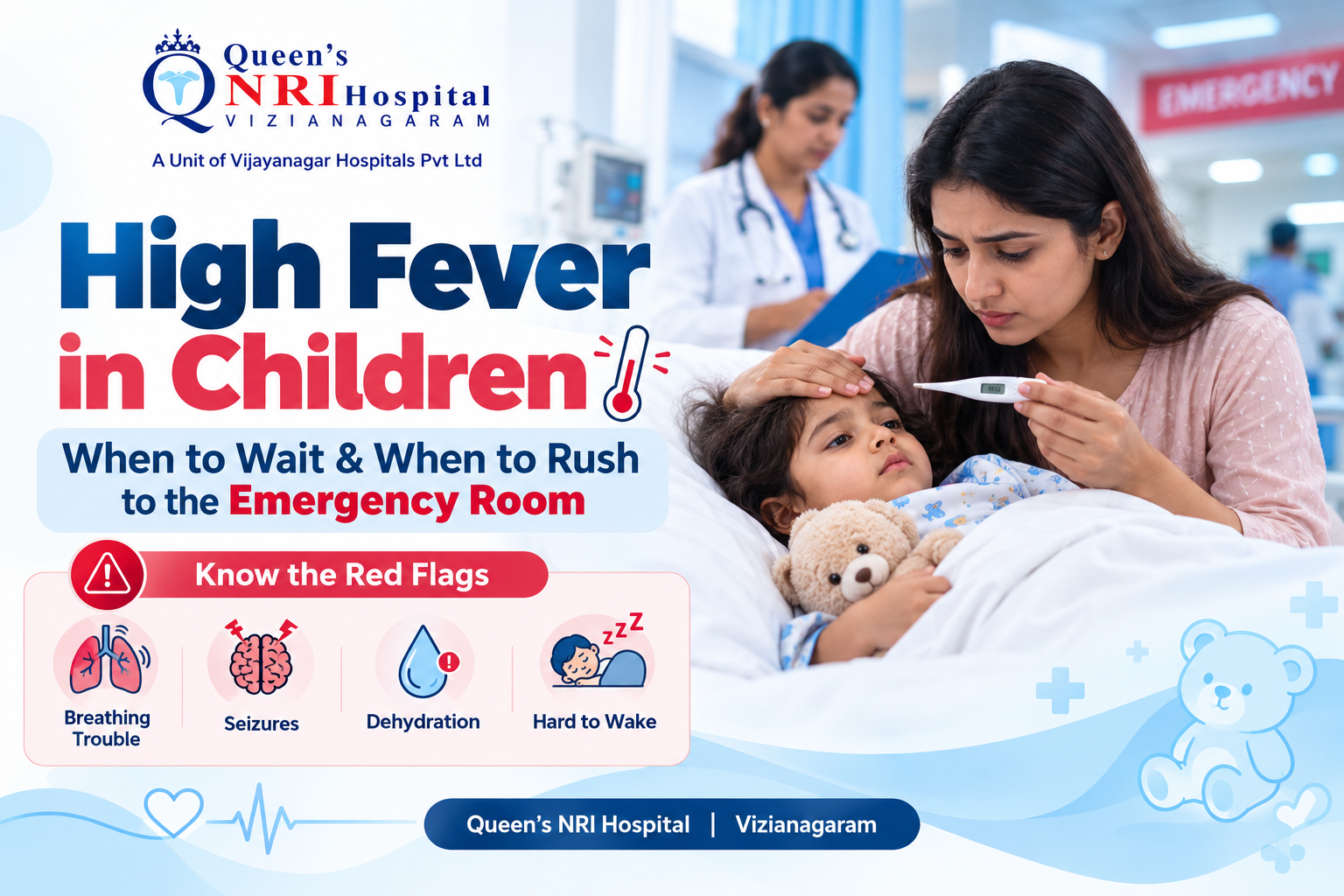
- Seek urgent care if the child becomes difficult to wake or struggles to breathe.
Never give children leftover prescription medicines or adult medicines without appropriate medical advice.
Health Checklist for Adults
Adults can protect their health by following a few practical steps:
- Monitor blood pressure or blood sugar if advised.
- Continue prescribed medicines unless your doctor changes them.
- Drink enough safe fluids throughout the day.
- Keep up with recommended vaccinations and health checks.
- Avoid smoking and limit exposure to dust and smoke.
- Use mosquito protection, particularly outdoors.
- Rest when unwell and avoid close contact with vulnerable people.
- Seek medical advice for persistent fever or worsening symptoms.
Do not take antibiotics for every cold or fever. Antibiotics treat certain bacterial infections, not viral infections, and should be used only when prescribed.
When to Stay at Home and When to See a Doctor
When Home Care May Be Enough
Mild symptoms can often be managed at home while you monitor recovery.
- A mild runny nose without breathing difficulty.
- A slight cough with normal drinking and activity.
- Mild body aches that improve with rest.
- A small, non-worsening skin irritation without other symptoms.
Rest, drink safe fluids, practise good hygiene and watch for changes. Stay home from work or school when fever or significant illness makes normal activities difficult.
When to Contact a Doctor
Arrange medical advice if:
- Fever lasts more than three days or keeps returning.
- Cough or breathing symptoms are getting worse.
- Ear pain, throat pain or stomach pain persists.
- Vomiting or diarrhoea continues.
- You notice reduced urination or other signs of dehydration.
- A child is not drinking, eating or behaving normally.
- An existing health condition becomes harder to manage.
A doctor may recommend an examination or tests based on symptoms, age and medical history. Avoid self-diagnosis and do not delay care when a person is getting worse.
Danger Signs That Need Emergency Care
Some symptoms require immediate medical attention. Do not wait for home remedies to work if someone has any of the following:
- Severe difficulty breathing or gasping for air.
- Chest pain, fainting or sudden severe weakness.
- Blue or grey lips, face or fingertips.
- A seizure (fits), confusion or difficulty waking.
- Severe dehydration, very little urine or inability to drink.
- Repeated vomiting with marked weakness or drowsiness.
- Severe headache with a stiff neck or reduced alertness.
- Heavy bleeding, blood in vomit or black stools.
- A rapidly spreading rash with fever or severe illness.
- A baby with fever who is younger than three months.
Fever lasting more than three days needs prompt medical review, even without these emergency signs. If a person is seriously unwell, seek emergency help immediately.
For urgent assessment, contact Queen's NRI Hospital Emergency Care Services.
Need emergency medical help?
Call Queen's NRI Hospital at 08922-225177. For a life-threatening emergency, contact local emergency services as well.
How Queen's NRI Hospital Can Help
Queen's NRI Hospital is a multispeciality and super-speciality hospital on M.G. Road, Vizianagaram. Its services support patients who need assessment, testing and treatment for seasonal illnesses.
The hospital offers General Medicine for adults and Paediatrics for children. Pulmonology services support patients with breathing concerns, while ENT and Dermatology services address certain ear, nose, throat and skin problems.
Its emergency department provides care for urgent medical conditions. A 24x7 laboratory and pharmacy support patient care, and an ambulance service is available for transport needs.
Doctors assess each patient according to symptoms, age and medical history. They may recommend tests when necessary and explain suitable treatment and follow-up care.
Families searching for the best hospital in Vizianagaram should consider the services available, the need for timely assessment and the hospital's suitability for their particular medical concern.
For hospital enquiries, call 08922-225177, 08922-225188 or 76619 76613.
Frequently Asked Questions
1. Why do people fall sick during seasonal changes?
Weather changes may affect allergies and breathing symptoms. Seasonal conditions can also influence how some infections spread. Germs, unsafe water and mosquito bites cause many illnesses.
2. What are common seasonal flu symptoms?
Common symptoms include fever, cough, sore throat, body aches, headache and tiredness. Severe breathlessness or chest pain needs urgent medical attention.
3. How can I prevent seasonal diseases in children?
Encourage handwashing, safe drinking water, balanced meals, adequate sleep and recommended vaccinations. Reduce mosquito breeding sites and keep sick children home.
4. When should I take my child to a doctor?
Seek advice for persistent fever, worsening cough, ear pain, repeated vomiting or reduced urination. Breathing difficulty, seizures or difficulty waking require emergency care.
5. Can I take antibiotics for a seasonal cold?
Most common colds are caused by viruses, so antibiotics do not help. A doctor can decide whether an antibiotic is needed for a suspected bacterial infection.
Conclusion: Protect Your Family Through Every Season
Seasonal changes are a normal part of life, but they can bring health challenges for adults and children. Clean water, healthy food, handwashing, mosquito control and adequate rest can help prevent many common illnesses.
Pay attention to symptoms and seek medical advice when they persist or worsen. Early assessment is especially important for babies, older adults, pregnant women and people with long-term health conditions.
If you or your child needs medical attention, Queen's NRI Hospital in Vizianagaram is available to help guide your next steps.
Book a consultation through Queen's NRI Hospital's appointment page, or call 08922-225177 / 76619 76613. Take care of your family through every season.
This blog is for general awareness only and does not replace professional medical advice. Please consult a doctor for diagnosis and treatment.